Wallpaper Removal
Surfaces Prepared for Clean Paint Application
Wallpaper Removal in Jim Thorpe for walls covered in outdated patterns that prevent repainting
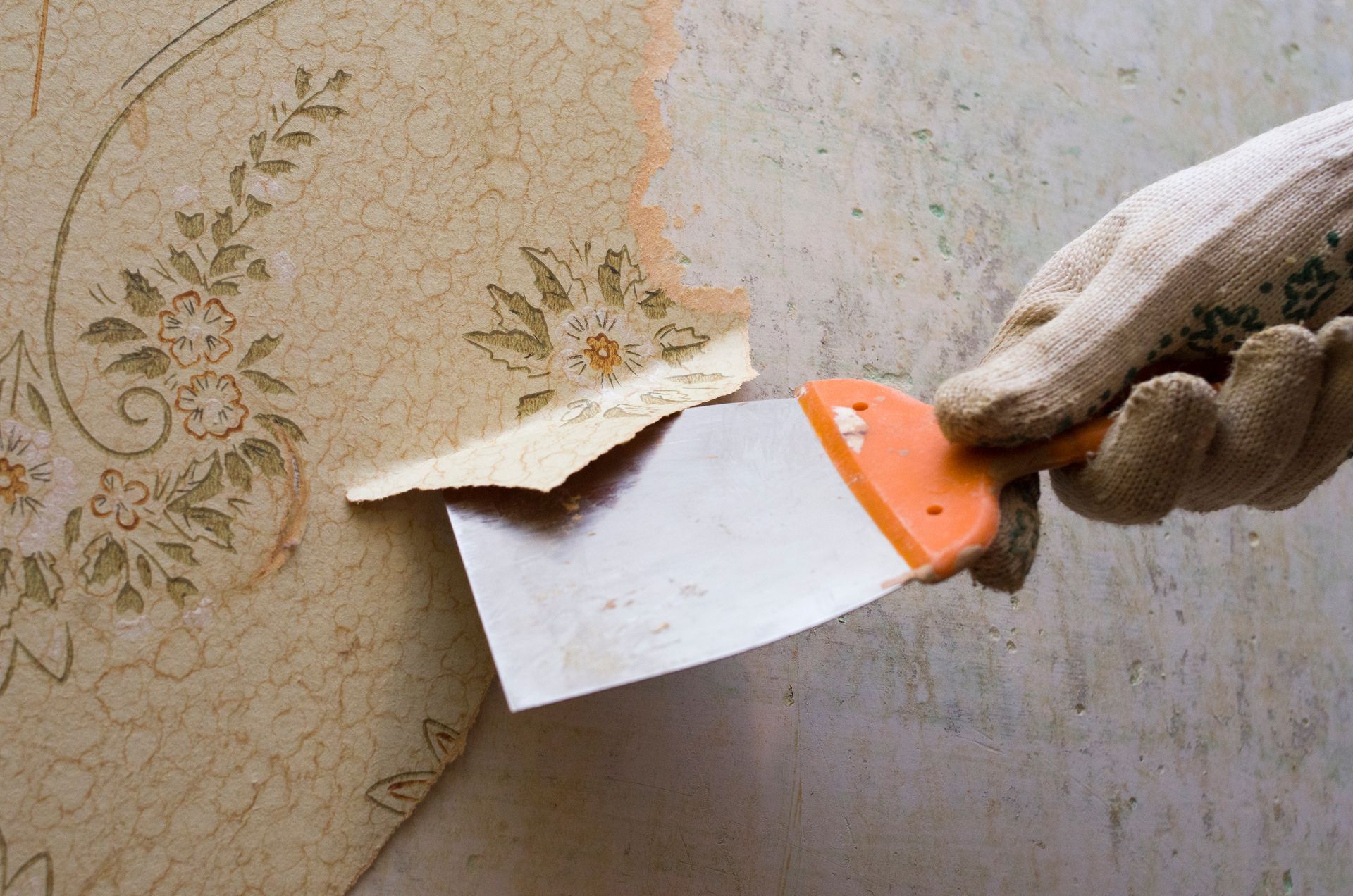
Wallpaper from previous decades often used paste formulations that bond aggressively to drywall or plaster, making removal a careful process of separating the paper and adhesive from the wall surface without tearing the drywall paper or gouging plaster underneath. DS Painting LLC strips wallpaper by scoring the surface to let steam or solvent penetrate the adhesive, then peeling away the material in sections and scrubbing off residual glue that would otherwise prevent paint from adhering or cause bubbling and peeling later. The goal is exposing the wall substrate in sound condition, ready for priming and paint, rather than creating new damage that requires extensive repair before any finish work can proceed.
Removal techniques vary depending on whether the wallpaper is vinyl-coated, fabric-backed, or traditional paper, and whether it was installed over bare drywall, sized drywall, or painted surfaces. Older installations sometimes involve multiple layers applied over decades, each requiring separate treatment to remove completely.
Arrange an estimate to assess your wallpaper type and discuss the removal process for your specific walls.
Our Services
What Proper Wallpaper Removal Requires
Wallpaper removal tools include scoring wheels that perforate the surface without cutting deep enough to damage drywall, steamers or chemical solvents that break down adhesive bonds, and scrapers with rounded edges that lift material without digging into the substrate. The paper often comes off in small pieces rather than full sheets, especially when adhesive has aged into a stronger bond than originally intended, and patience prevents the gouging and tearing that creates hours of additional repair work.
Once wallpaper and adhesive are gone, walls feel smooth to the touch without sticky residue, and primer goes on evenly without the sheen breaking differently over areas where glue remains. You see the actual wall surface rather than layers of paper and paste, and any repairs needed become obvious rather than hidden under decorative covering.
Some walls need light sanding or skim coating after wallpaper removal if the surface underneath is rough or if the original drywall finishing was minimal because the installer knew wallpaper would cover it. This additional step creates a smooth base that performs like a properly finished wall rather than one that was only prepared for covering.
Questions Before Starting Your Project
Wallpaper removal requires different approaches depending on the material and adhesive used, and knowing what's involved helps you understand the timeline and results.
What makes some wallpaper easier to remove than others?
Modern strippable wallpaper peels away from the wall in full sheets without leaving adhesive behind, while older vinyl and paper types require steaming or chemical treatment to soften the paste before scraping. Wallpaper installed directly over unsealed drywall bonds to the paper face of the drywall itself, making removal more difficult and often damaging the surface underneath.
How is adhesive residue removed after the wallpaper comes off?
Residual paste gets dissolved with warm water and wallpaper remover solution applied with a sponge or sprayer, then scrubbed away with abrasive pads that don't scratch the wall surface. Multiple passes are often needed because the adhesive reactivates and softens gradually rather than releasing all at once, and thorough removal prevents paint adhesion problems later.
Why do walls in Jim Thorpe homes sometimes have multiple wallpaper layers?
Earlier generations often papered over existing wallpaper rather than removing it, creating a stack of patterns and adhesives that requires peeling away each layer separately during removal. Homes built or remodeled in the mid-20th century commonly have two or three layers, with the deepest layer sometimes installed over bare plaster or minimally finished drywall.
How long does wallpaper removal take before walls are ready for painting?
Removal time depends on the wallpaper type, number of layers, and wall area, typically taking a full day or more for an average room including adhesive cleanup and surface drying. Walls then need inspection for damage, any necessary repairs, and drying time before primer can be applied, adding another day or two to the timeline before paint goes on.
What should walls look like after wallpaper removal is complete?
The surface should appear clean and dry with no visible adhesive residue, paper fragments, or sticky areas that attract dirt when touched. Primer should absorb evenly without beading up over glue spots or soaking in excessively where the wall was damaged during removal, and the finished paint should have consistent sheen and coverage without blotchy areas.
DS Painting LLC removes wallpaper with attention to preserving the wall surface underneath so repairs are minimal and paint goes on smoothly without complications from residual adhesive or damage. Set up a property visit to evaluate your wallpaper and plan the removal and wall preparation work.