Popcorn Ceiling Removal
Ceilings Updated to Smooth Modern Finishes
Popcorn Ceiling Removal in Jim Thorpe for outdated textured ceilings that date rooms and trap dust
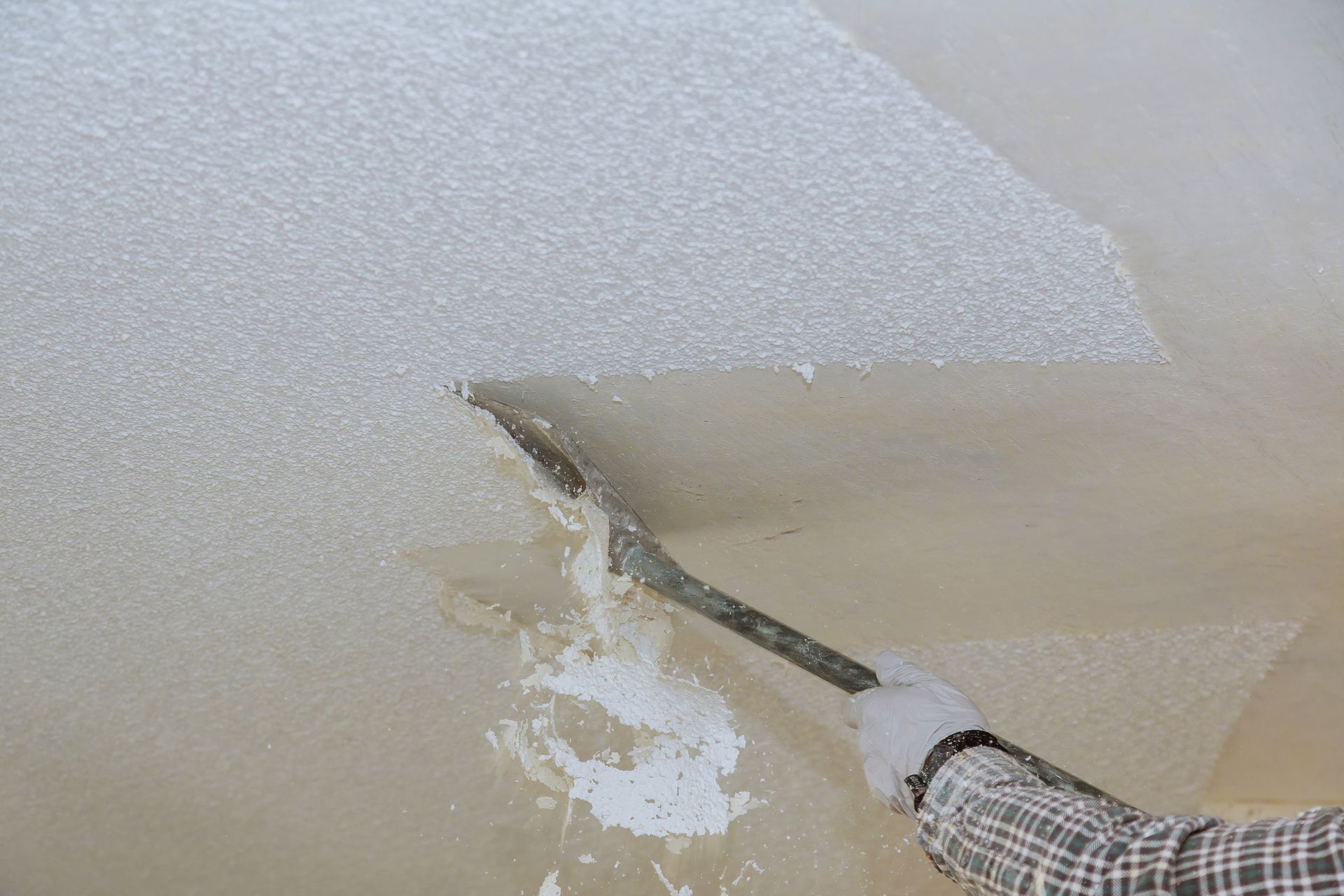
Popcorn ceiling texture was applied decades ago to hide imperfect drywall finishing and reduce sound reflection, but the rough surface collects dust and cobwebs that regular cleaning can't remove, yellows with age, and signals an outdated interior before any other design element even registers. The texture scrapes off after wetting the surface to soften the adhesive, revealing the drywall underneath that then gets smoothed, primed, and painted for a clean, flat ceiling that makes rooms feel taller and more finished. You notice the difference immediately when light reflects evenly across the surface instead of disappearing into the texture's peaks and valleys.
Removal involves protecting floors and furniture from debris, applying water to the texture in sections, scraping carefully to avoid gouging the underlying drywall, then repairing any damage and applying a skim coat if needed to create a smooth plane. Dust control matters because scraping generates fine particles that settle throughout the room if not contained.
Request an estimate to evaluate your ceiling texture and discuss the preparation required for smooth finishing.
Our Services
Why Popcorn Texture Removal Works for Modern Spaces
Removing popcorn texture requires wetting the material so it releases from the drywall paper without tearing the surface underneath, then scraping at a low angle to shave off the softened texture while leaving the drywall intact. Areas where the texture was painted require more aggressive scraping because paint seals the material and prevents water from penetrating to soften the adhesive.
After removal, ceilings appear flat with no shadows or visual weight from the texture, and dust no longer accumulates in thousands of tiny crevices that can't be reached with normal cleaning. Rooms feel larger because the ceiling no longer draws attention as a dated feature, and paint or primer goes on smoothly without texture interfering with even coverage.
Some ceilings need additional finishing after scraping if the original drywall work underneath was rough or if scraping caused minor gouges. A thin skim coat of joint compound applied across the entire surface and sanded smooth creates a Level 5 finish that looks flawless under any lighting condition and provides the best base for paint.
Common Questions About This Service
Popcorn ceiling removal updates older homes and requires specific techniques to avoid damaging the drywall beneath the texture, and understanding the work helps set realistic expectations.
What preparation happens before popcorn texture removal begins?
Furniture and floors get covered with plastic sheeting to catch falling texture debris, and HVAC vents are sealed to prevent dust from spreading through the ductwork. Light fixtures and ceiling fans are removed or protected, and the room is isolated from the rest of the house to contain the mess generated during scraping.
How does painted popcorn texture differ from unpainted when removing it?
Painted texture doesn't absorb water easily, so it requires scoring with a tool to break the paint seal before wetting, and scraping takes longer because the paint holds the texture more firmly to the drywall. Unpainted texture softens quickly with water application and scrapes off more easily without as much risk of gouging the surface.
Why do ceilings in Jim Thorpe homes often have popcorn texture applied?
The texture was popular during a period when many homes in the region were built or renovated, and it provided a quick way to finish ceilings without the labor-intensive taping and smoothing required for flat drywall. The rough surface also helped with minor sound dampening in rooms with hard flooring and minimal soft furnishings.
How long does it take for ceilings to be ready for painting after texture removal?
The ceiling needs to dry completely after scraping and any skim coating, typically 24 to 48 hours depending on humidity and ventilation, and then gets sanded smooth before priming. Primer must also dry fully before the final paint goes on, so the total timeline from scraping to finished paint spans several days.
What does a finished ceiling look like after popcorn removal and painting?
The surface appears smooth and flat with consistent light reflection, no visible texture patterns, and no shadows cast by uneven material. The ceiling blends into the overall room design rather than standing out as a focal point, and it can be cleaned with a damp cloth without texture trapping dirt or breaking loose.
DS Painting LLC handles popcorn ceiling removal projects that eliminate outdated texture and create smooth, modern ceilings ready for
fresh paint. Schedule a consultation to review your ceilings and plan the removal and finishing process.