Drywall Repair
Walls Restored Before Any Paint Goes On
Drywall Repair in Jim Thorpe for holes, cracks, nail pops, and damaged sections that show through paint finishes
Drywall damage shows up as nail pops from framing lumber shrinkage, cracks along seams where tape has failed, dents from furniture impacts, and holes from removed fixtures or accidental punctures. DS Painting LLC repairs these flaws by cutting out damaged sections, filling voids with setting-type compound that hardens chemically rather than just drying, and blending the repair into the surrounding wall so the surface reads as flat and smooth under angled light. Without proper repair, paint emphasizes every defect instead of hiding it, because paint doesn't fill gaps or level uneven surfaces.
Repair work involves matching the existing wall texture if present, feathering compound edges over a wide area so there's no visible ridge where the repair meets original drywall, and sanding to a consistent plane. Small repairs require different techniques than large holes, which often need backing material installed before any filling happens.
Arrange an estimate to evaluate wall damage and determine the preparation needed before painting.
Our Services
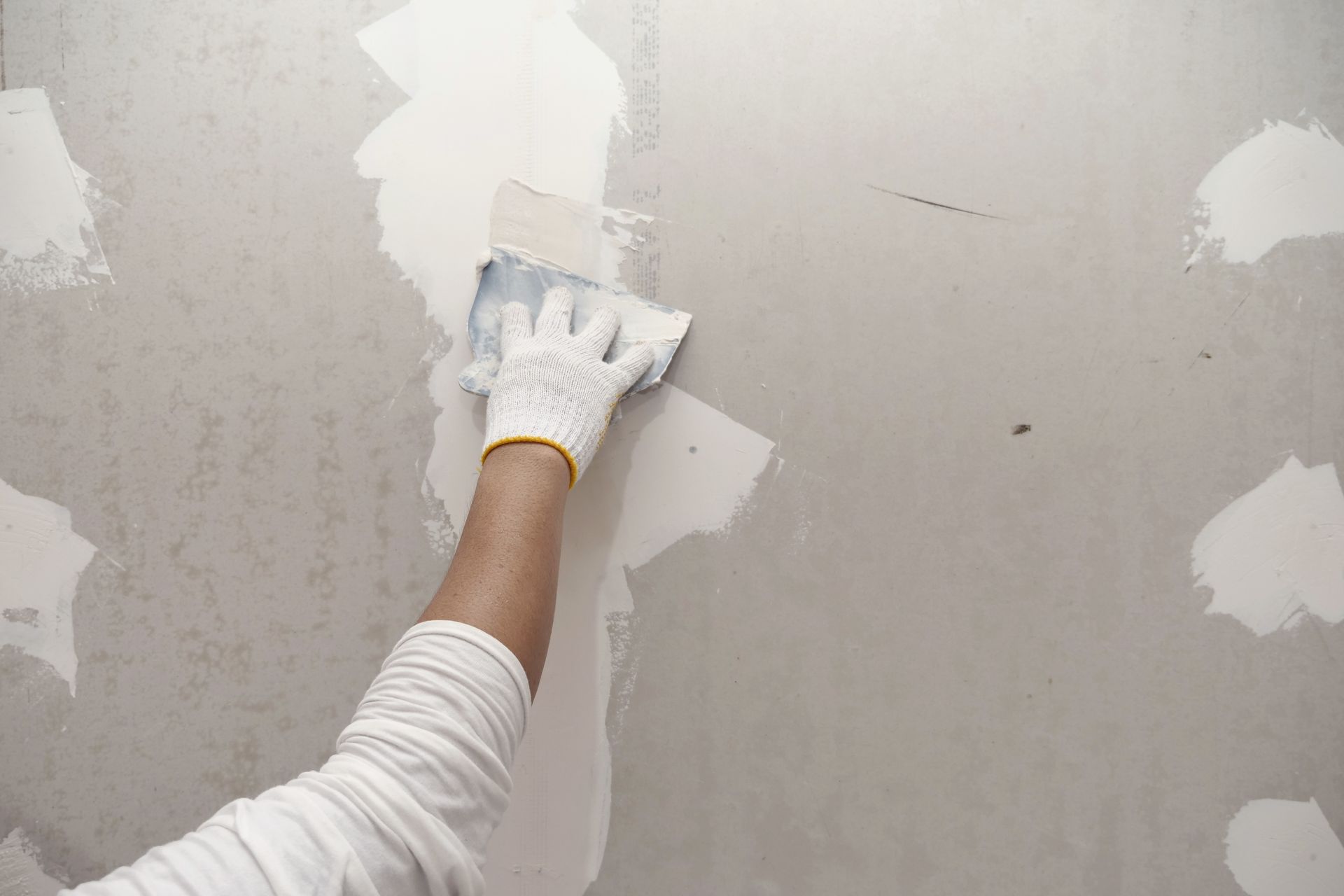
How Drywall Repair Addresses Surface Flaws
Repair compound comes in setting types that harden through chemical reaction and drying types that simply lose moisture, with setting compounds used for structural fills because they don't shrink as they cure. Multiple thin coats build up the repair gradually, with each layer sanded smooth before the next application, so the final surface sits flush with the surrounding wall rather than proud or recessed.
Once repairs cure and sanding is complete, you run your hand across the wall without feeling edges or transitions, and paint goes on uniformly without the sheen breaking differently over patched areas versus original drywall. Light from windows no longer casts shadows that highlight every dent or crack, and the wall looks like a single continuous surface instead of a collection of fixes.
Texture matching matters when walls have orange peel, knockdown, or other applied finishes, because a smooth patch on a textured wall stands out even under paint. The texture gets replicated using spray equipment, trowels, or brushes depending on the pattern, then blended into the existing texture before priming and painting.
Answers to Frequent Service Questions
Proper drywall repair creates a smooth base for paint and involves more than just smearing compound into holes, and knowing what the process requires helps you recognize quality work.
What causes nail pops to keep appearing in the same spots?
Framing lumber dries and shrinks after construction, pulling away from drywall fasteners and causing the nail or screw head to push through the surface compound and paint. Repairs involve driving the fastener below the surface or adding new fasteners nearby to resecure the drywall to the framing, then filling and smoothing the dimple left behind.
How are large holes in drywall repaired differently than small dents?
Holes larger than a few inches need a backing piece installed behind the opening so compound has something to grip, often a scrap of drywall screwed to the framing or a piece of wood secured behind the existing drywall. Small dents and nail holes just need filling with compound applied in layers, with no structural backing required.
Why does drywall repair in Jim Thorpe often appear before painting projects?
Older homes in the area experience settling and temperature-related movement that causes fasteners to pop and seams to crack, making repair work necessary before repainting to avoid defects showing through the new finish. Addressing these issues first means the paint job looks clean and professional rather than just covering flawed surfaces.
How long does drywall compound need to dry before sanding and painting?
Setting-type compounds harden in 20 to 90 minutes depending on formulation but still need several hours before sanding, while drying-type compounds require 24 hours or more in humid conditions to fully cure. Rushing the process leads to compound tearing during sanding or paint reactivating wet material underneath.
What should repaired drywall look like before paint is applied?
The surface should feel smooth when you run your hand across it with no detectable ridges, bumps, or depressions, and angled light shouldn't cast shadows that reveal repair edges. Primer should go on evenly without the repaired areas looking different in sheen or texture from the surrounding wall.
DS Painting LLC completes drywall repairs with the level of finish needed for the paint to look consistent across the entire surface, not just adequate enough to call the repair done. Contact our team to review your wall damage and
schedule repairs before your next painting project.