
Interior and Exterior Staining
Wood Surfaces That Handle Years of Weather
Interior and Exterior Staining in Jim Thorpe for decks, fences, siding, and trim exposed to moisture and UV damage
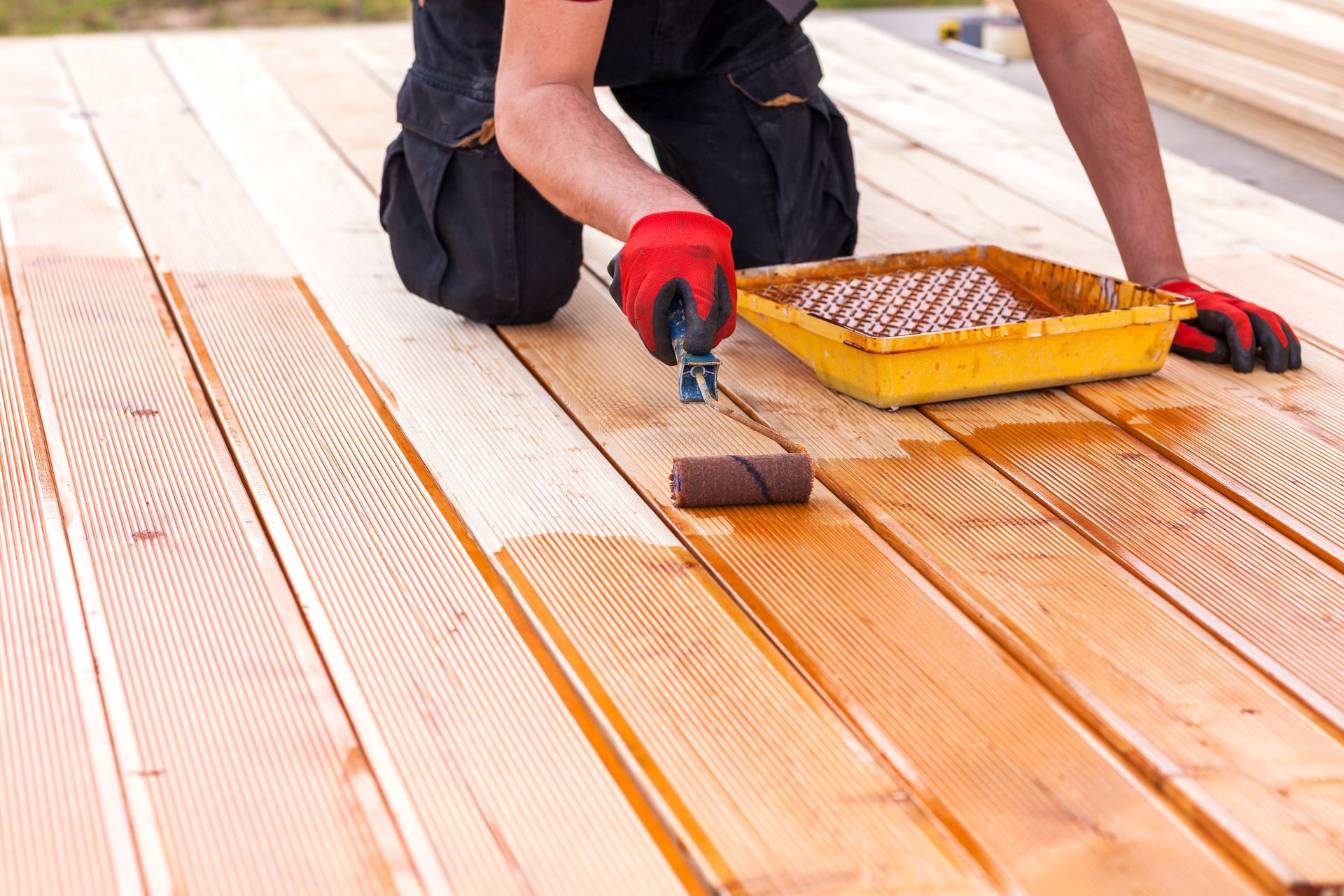
DS Painting LLC applies protective staining to wood decks, fences, siding, trim, and interior features throughout Jim Thorpe, addressing the penetration of moisture and UV degradation that causes wood to gray, splinter, and rot. The right stain product soaks into the wood grain rather than sitting on the surface like paint, allowing the material to expand and contract with seasonal temperature swings without peeling or cracking. You see the natural grain pattern remain visible while the wood gains a consistent color and a barrier against the elements that would otherwise break down the lignin holding the wood fibers together.
Staining requires cleaning the wood surface to remove dirt, mildew, and failed previous coatings, then sanding any rough areas so the stain absorbs evenly without blotching. The process differs depending on whether you're working with raw wood that drinks up stain quickly or older wood that needs more preparation to accept the product uniformly.
Request an estimate to review the condition of your wood surfaces and discuss stain color options.
Our Services
What Staining Actually Accomplishes
Stain products penetrate the wood rather than forming a film on top, which means they protect from within while still allowing moisture vapor to escape instead of trapping it under a sealed coating. This approach works especially well for horizontal surfaces like deck boards and railings that take direct sun and rain, where a film-forming finish would fail quickly under constant expansion and contraction.
After staining, wood stops absorbing water that leads to swelling, cupping, and rot, and UV inhibitors in the stain prevent the bleaching and graying that unprotected wood develops within a single season. The wood grain remains visible with depth and richness that changes slightly depending on lighting, and the surface feels smooth rather than rough or fuzzy from weathering.
Stain finishes range from transparent options that add minimal color while showing maximum grain to solid stains that cover like thin paint but still penetrate rather than coat. The choice depends on whether you want the wood species to remain obvious or prefer a uniform color that hides variations between boards.
What Property Owners Usually Ask
Wood staining protects outdoor and indoor surfaces while maintaining the material's natural appearance, and understanding the process helps you evaluate the work and choose the right finish for your situation.
What preparation does wood staining require before application?
The surface needs cleaning to remove dirt, mildew, and algae, and any failing previous finish must be stripped or sanded away so the new stain penetrates rather than sitting on top of residue. Raw wood may need light sanding to smooth raised grain, and the wood must be dry before stain application or the product won't absorb properly.
How does staining differ from painting wood surfaces?
Stain soaks into the wood grain and protects from within while paint forms a film on the surface, which means stain allows the wood texture to remain visible and lets moisture vapor escape instead of trapping it under a seal. Paint hides the wood entirely and requires more frequent maintenance on exterior horizontal surfaces where film coatings peel under UV exposure and moisture cycling.
Why does wood in Jim Thorpe need UV protection in the stain?
The region's seasonal sun exposure breaks down the lignin in unprotected wood, causing the surface to turn gray and lose structural integrity at the outer fibers. Stains with UV inhibitors slow this degradation significantly, keeping the wood color stable and preventing the surface from becoming rough and splintered.
How often does exterior stained wood need reapplication?
Horizontal surfaces like decks typically need restaining every two to three years depending on sun exposure and foot traffic, while vertical surfaces like siding and fences last longer because they shed water rather than holding it. You'll notice the wood starting to lighten in color or water no longer beading on the surface when it's time to clean and reapply.
What stain colors work best for matching existing wood tones?
Transparent and semi-transparent stains enhance the natural color of the wood species without drastically changing it, while semi-solid and solid stains provide more color coverage and can match specific tones or create contrast. DS PAINTING LLC reviews samples on your actual wood to show how the grain and base color affect the final appearance before committing to a full application.
DS Painting LLC handles wood staining projects that protect your investment in deck surfaces, fencing, siding, and trim while preserving the natural beauty that makes wood appealing in the first place. Schedule a property visit to evaluate your wood surfaces and discuss stain options that match your goals.