Residential Pressure Washing
Surfaces Cleaned Before Staining or Painting Begins
Residential Pressure Washing in Jim Thorpe for siding, decks, driveways, and exterior surfaces covered in dirt, algae, and mildew
Algae and mildew grow on north-facing siding and shaded deck surfaces in Jim Thorpe's humid climate, creating dark streaks and green patches that won't wash off with a garden hose because the organisms root into the porous surface of wood, vinyl, and concrete. Pressure washing removes this buildup along with dirt, pollen, and oxidized material by directing high-pressure water across the surface at angles and distances that lift contaminants without etching wood grain, pitting concrete, or forcing water behind siding where it causes rot and mold inside wall cavities. Clean surfaces improve curb appeal immediately, but the more important function is preparing exterior materials to accept stain or paint that won't adhere properly over biological growth and grime.
Pressure washing techniques vary by surface type, with softer materials like wood siding and composite decking requiring lower pressure and wider spray patterns than concrete driveways and stone walkways. Cleaning solutions help break down organic growth and grease, reducing the pressure needed and preventing damage from excessive force.
Request a free estimate to evaluate your exterior surfaces and schedule pressure washing before painting or staining projects.
Our Services
What Changes After Exterior Surfaces Are Cleaned
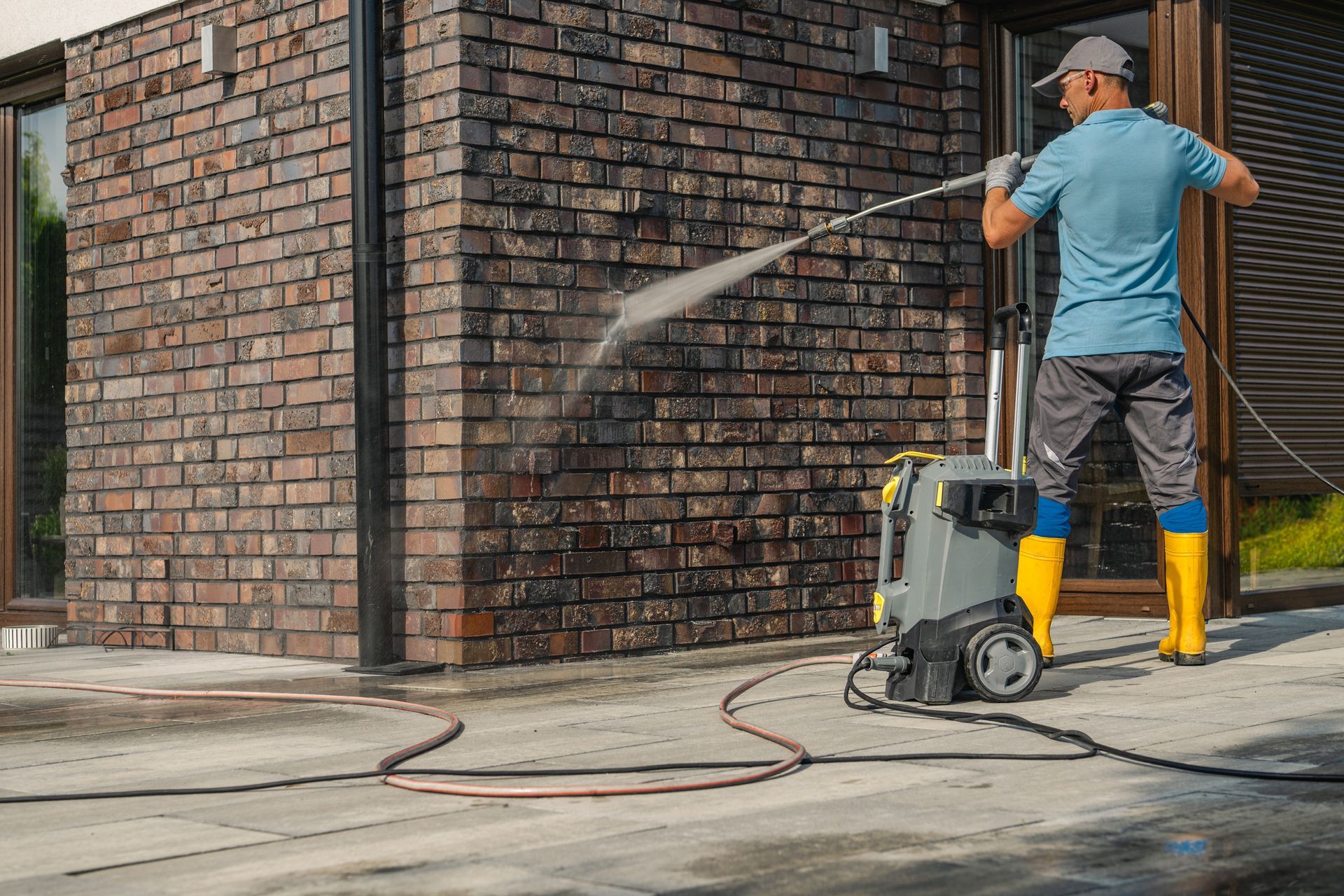
Pressure washing adjusts water pressure and nozzle distance based on whether you're cleaning wood that can be damaged by concentrated spray, vinyl siding that can crack or warp under too much force, or concrete and masonry that tolerate higher pressure for deeper cleaning. The nozzle angle controls how aggressively water hits the surface, with wider fan patterns used for delicate materials and narrower streams reserved for stubborn stains on durable surfaces.
After washing, siding shows its actual color instead of the gray-green cast from mildew accumulation, and deck boards return to their natural wood tone or stain color without black streaks in the grain. Driveways and walkways look lighter and more uniform once oil stains and tire marks are lifted, and water no longer beads on surfaces coated with dirt and organic film.
The cleaning process also reveals maintenance needs that were hidden under grime, such as loose paint that needs scraping, wood rot that requires replacement, or cracks in concrete that should be sealed. Identifying these issues before applying new finishes prevents wasted effort and material on surfaces that won't hold up.
What Homeowners Typically Ask
Pressure washing involves more than just blasting surfaces with high-pressure water, and understanding the methods helps you evaluate results and know what to expect before
exterior painting or staining work.
What surfaces around a home typically need pressure washing?
Vinyl and wood siding, deck boards and railings, concrete driveways and walkways, stone patios, fences, and retaining walls all accumulate dirt, algae, and mildew that pressure washing removes. Each surface type requires different pressure settings and techniques to avoid damage while achieving thorough cleaning.
How does pressure washing improve paint and stain adhesion?
Biological growth and dirt create a barrier between wood or siding and new finishes, preventing proper penetration and bonding that leads to early peeling and failure. Cleaning removes this layer so stain soaks into wood grain and paint adheres directly to the substrate, extending the life of the finish significantly compared to coating over dirty surfaces.
Why do exterior surfaces in Jim Thorpe develop algae and mildew buildup?
The area's humidity and tree cover create ideal conditions for organic growth, especially on north-facing walls and shaded decks that stay damp longer after rain or morning dew. Algae and mildew spores are constantly present in the air and colonize any surface that remains moist, making regular cleaning necessary to prevent the buildup from becoming embedded in porous materials.
How long should surfaces dry after pressure washing before painting or staining?
Wood and concrete need 48 to 72 hours of dry weather to release absorbed moisture from washing, because applying finishes over damp surfaces traps water underneath and causes adhesion failure. Vinyl siding dries faster but still needs at least 24 hours, and checking moisture content with a meter ensures the substrate is ready before coating.
What damage can occur from improper pressure washing technique?
Excessive pressure or holding the nozzle too close can gouge wood decking, splinter siding, remove mortar from between bricks, and force water behind exterior cladding where it causes rot and mold. The right combination of pressure, distance, and spray angle cleans effectively without eroding the surface or creating pathways for moisture intrusion.
DS Painting LLC provides pressure washing that prepares your exterior surfaces for staining and painting by removing contaminants without causing damage that creates additional repair work. Schedule a visit to discuss cleaning your siding, deck, driveway, or other exterior areas before your next coating project.