
Trim Painting
Detailed Finishes That Define Room Edges
Trim Painting in Jim Thorpe for baseboards, crown molding, and woodwork that show chipped paint or outdated colors
Trim Painting in Jim Thorpe for baseboards, crown molding, and woodwork that show chipped paint or no longer match updated wall colors
Baseboards scuffed from years of vacuum cleaner contact, door casings with paint buildup along edges from repeated touch-ups, and crown molding that yellowed from age all detract from otherwise well-maintained rooms. Trim work frames every space and draws the eye to architectural details, but only when finishes are clean and crisp. DS Painting LLC provides trim painting across Jim Thorpe for baseboards, crown molding, doors, window casings, and decorative woodwork where existing finishes have deteriorated or no longer coordinate with updated wall colors. The service addresses both cosmetic concerns and the protective function trim paint serves in preventing wood damage from moisture and impacts.
Detailed preparation is required because trim surfaces show imperfections more clearly than walls, especially where molding profiles create shadows that highlight any unevenness. Old paint buildup is sanded down so edges remain crisp, nail holes are filled and smoothed flush, and any gaps between trim and walls are caulked to create seamless transitions. Precision matters most where trim meets walls in contrasting colors, as even slight paint overlap or gaps become immediately visible.
Arrange a review of trim conditions and finish preferences so preparation needs and color coordination can be discussed in detail.
Our Services
What Separates Careful Trim Work From Rushed Application
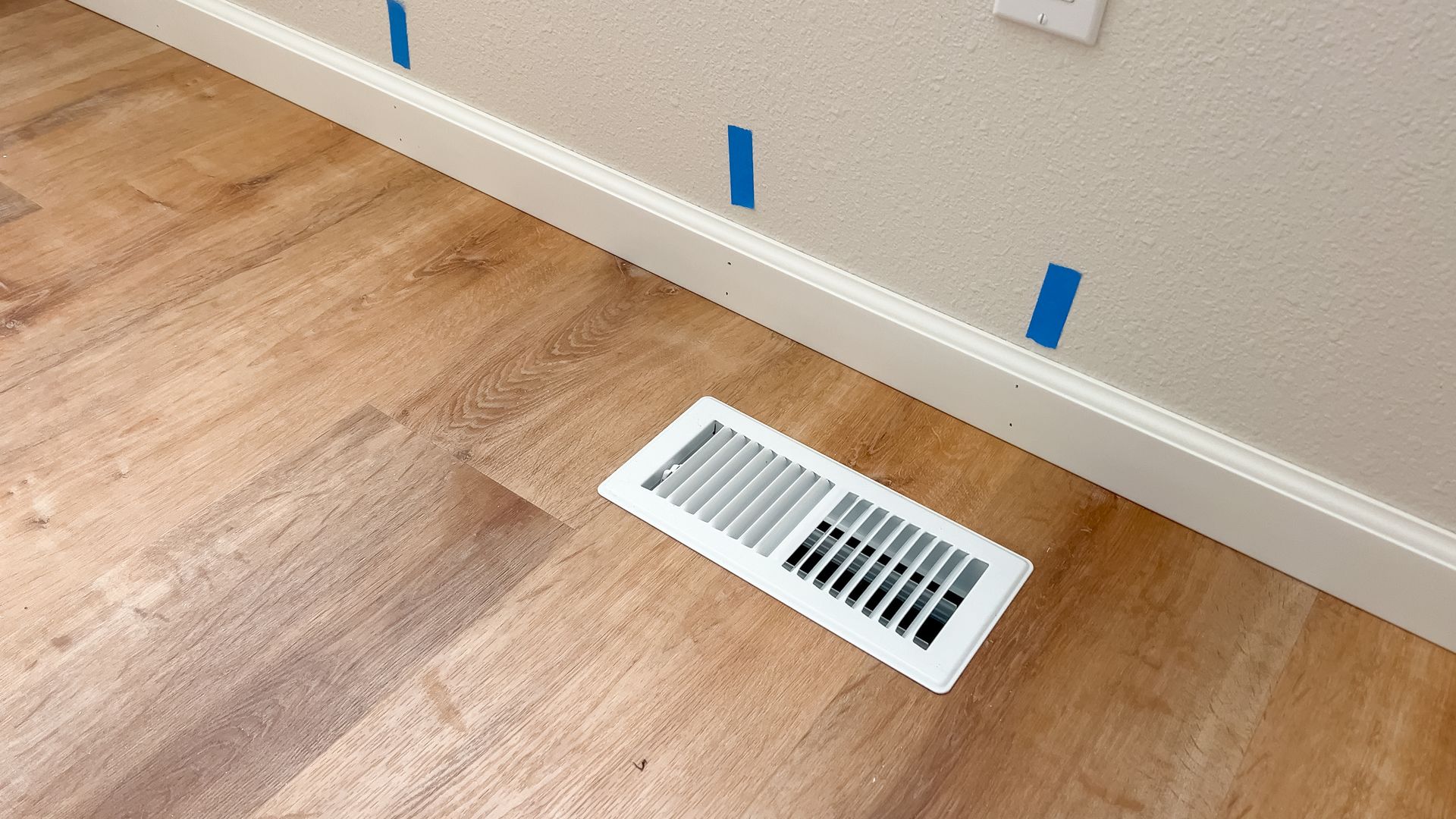
Trim painting quality shows most clearly in the cut lines where molding edges meet walls. Clean lines require steady hand control and proper brush technique, with paint applied right to the edge without bleeding onto adjacent surfaces. Masking tape helps but cannot replace skill, as paint that seeps under tape edges or pulls away when tape is removed creates ragged lines that look amateurish. Multiple thin coats produce smoother finishes than single heavy applications that sag in molding profiles or show brush marks once dried.
You notice the difference in trim that looks sharp and intentional rather than sloppy or carelessly applied, with consistent sheen across all woodwork and no visible demarcation where old paint meets new. Door frames close without sticking because paint is applied thinly enough not to build up on edges, and baseboards display uniform color from floor to top edge without thin spots where sanding removed too much material. Well-painted trim also simplifies future maintenance since properly prepared surfaces accept touch-up coats evenly without the repair standing out as a darker or shinier patch.
The service includes matching existing trim finishes when only specific areas are being repainted, or updating all trim to a new color that coordinates with current wall tones. You can choose between repainting trim in the original color to refresh appearance while maintaining existing design, or changing colors entirely to modernize rooms and create stronger contrast with wall surfaces.
What People Ask About Trim Painting
Trim projects often raise questions about process details, color coordination, and how the work fits with broader room updates in Jim Thorpe homes.
What preparation is required before trim painting begins?
Surfaces are sanded to smooth old paint buildup and create tooth for new coatings, nail holes and cracks are filled with wood filler, and gaps between trim and walls are caulked to create seamless transitions that prevent moisture infiltration.
How do you achieve clean lines where trim meets walls?
Precise brush control and proper masking techniques ensure paint edges remain sharp where trim and walls meet in contrasting colors, with paint applied carefully to avoid bleeding under tape or onto adjacent surfaces.
When should trim be painted in relation to wall painting?
Trim is typically painted after walls are complete so any accidental wall paint on trim gets covered, though sequences can be adjusted based on project specifics and whether trim and walls are being painted in contrasting or similar colors.
What finish sheen works best for trim in Jim Thorpe homes?
Semi-gloss and satin sheens are common for trim since they resist scuffing better than flat paints and clean more easily, with higher gloss emphasizing architectural details while lower sheens create subtler contrast with wall surfaces.
How does trim painting affect rooms that are not being fully repainted?
Freshly painted trim updates room appearance even when walls remain unchanged, creating cleaner edges and drawing attention to architectural details, though color coordination with existing wall tones must be considered to ensure cohesive results.
DS Painting LLC applies trim finishes with precision and attention to preparation that produces crisp, professional results. Request a free estimate through the contact form or by calling (570) 578-2053 to discuss your trim
painting needs and color preferences.